July 24, 2026•7 min read
ArticleThe 5:1 rule: for every euro you spend on AI tools, you need five on your people
Earlier this year McKinsey published its State of Organizations 2026 report, and one line has stayed with me since.
Read on Substack↗
Exploring AI innovation, sustainability, and digital transformation in business
Earlier this year McKinsey published its State of Organizations 2026 report, and one line has stayed with me since.
Around 80 percent of employees now use AI at work, and only about 40 percent of companies have given them an enterprise solution to use.
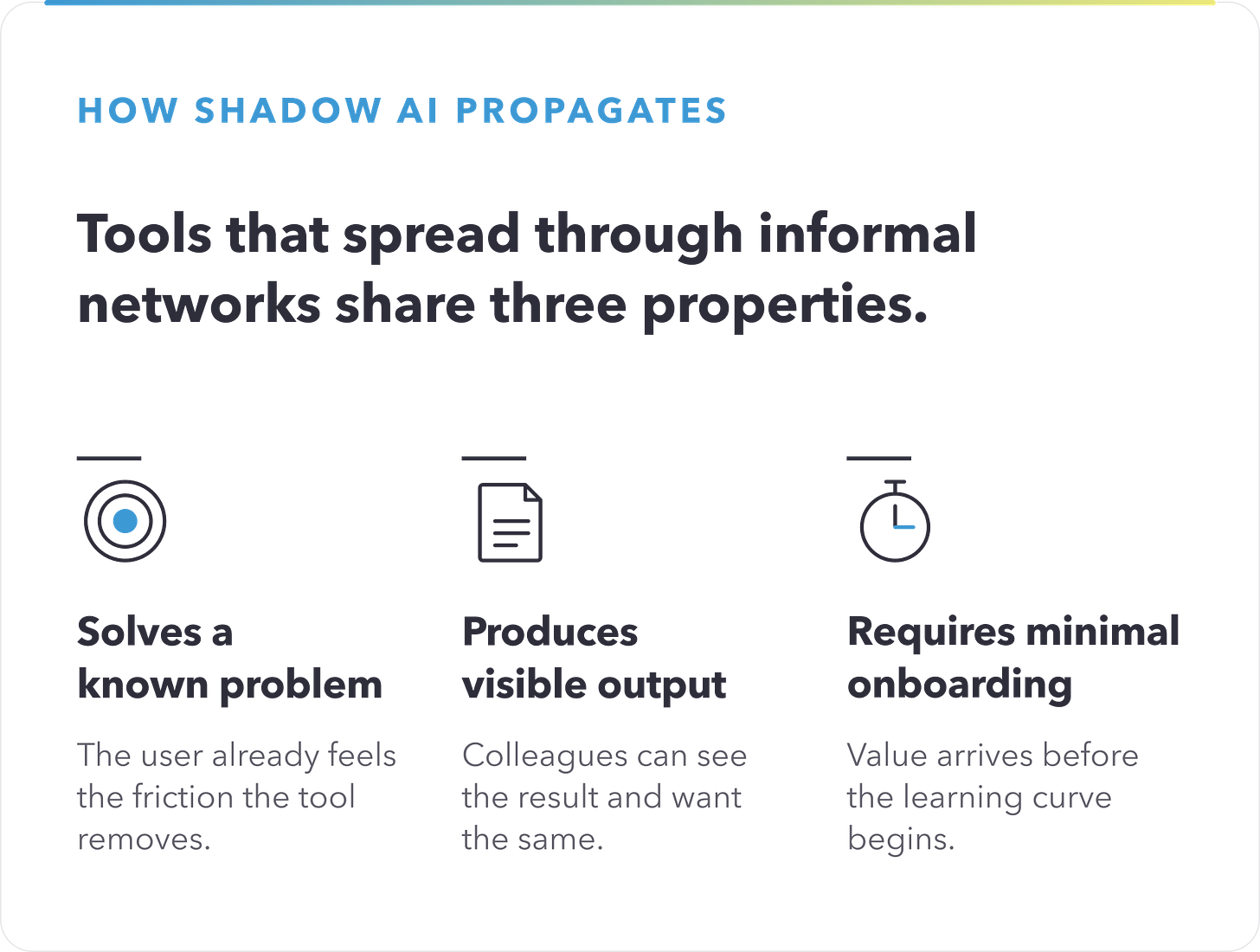
There is a particular kind of meeting that senior leaders are starting to recognise.
The European Parliament amended the AI Act on 16 June and the enforcement clock for high-risk systems slipped by up to sixteen months.
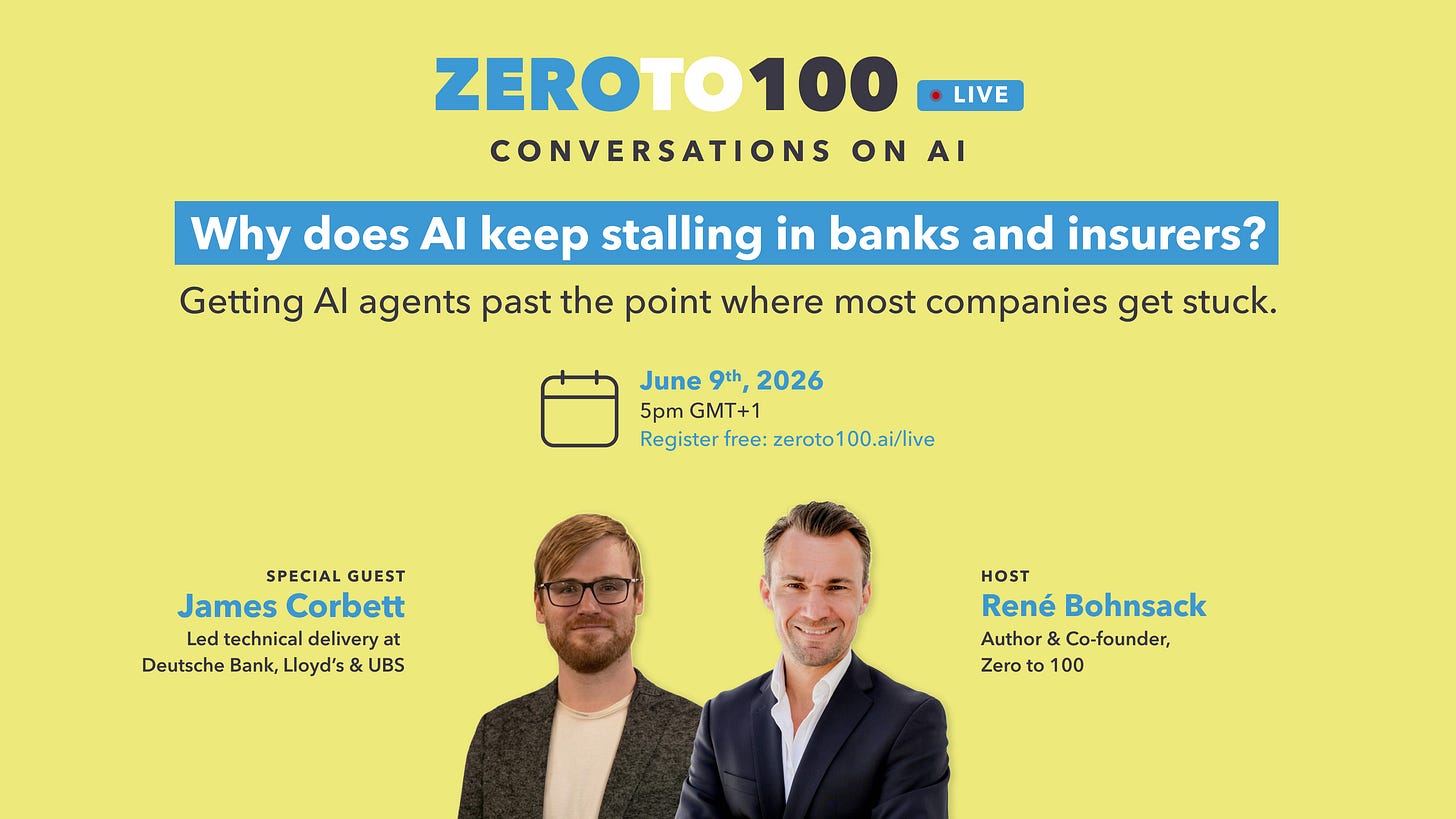
On June 9th, I'm sitting down with James Corbett, who has spent a decade taking AI into production inside regulated industries.

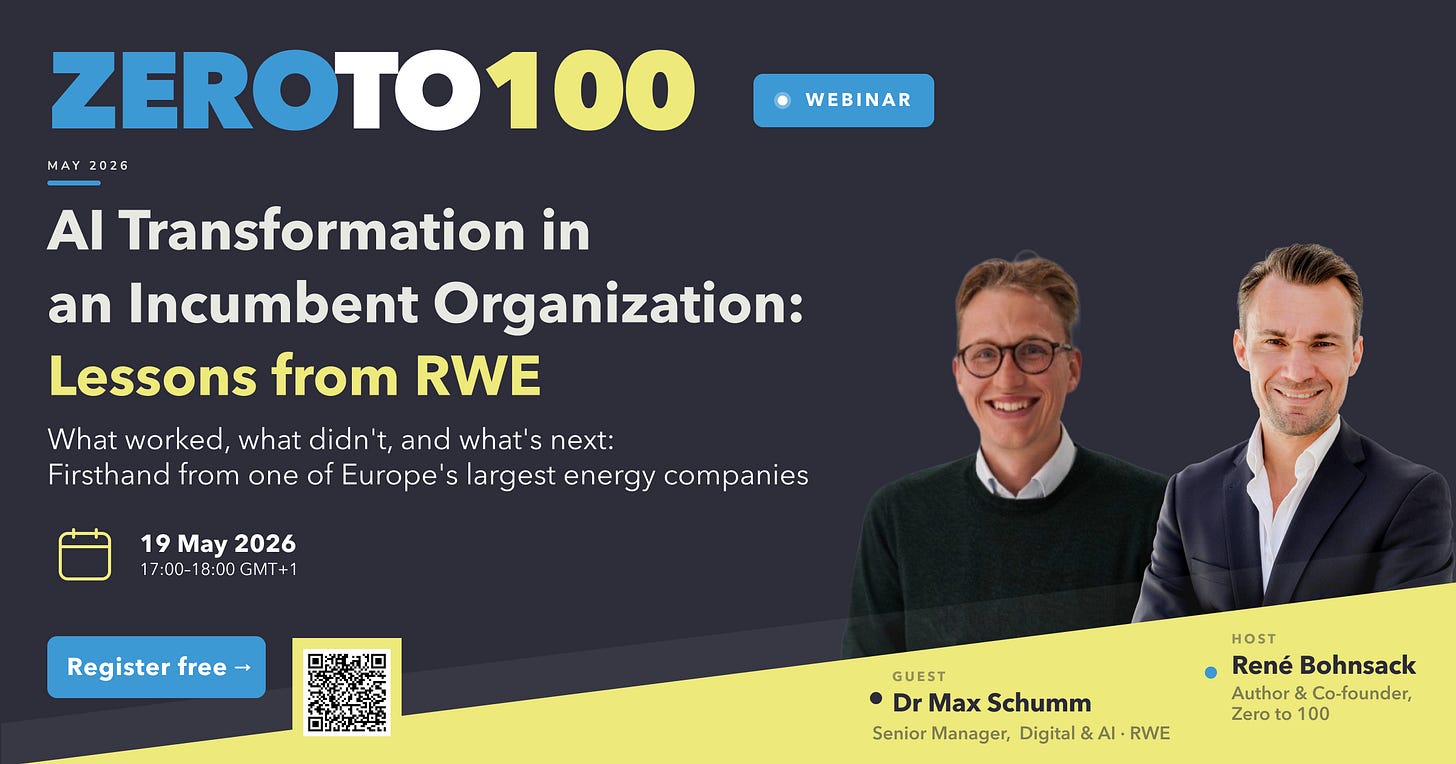
I'll be hosting Dr Max Schumm, Digital & AI Transformation at RWE
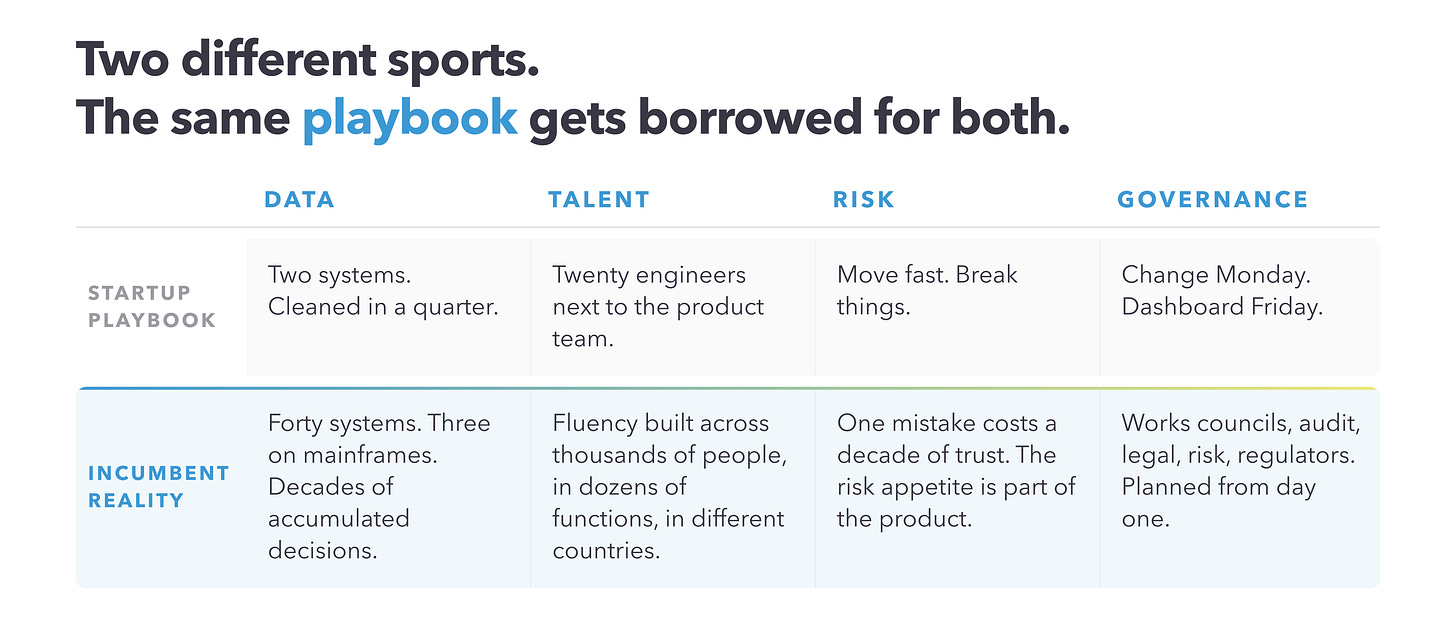
If your AI programme keeps stalling, the problem is not your team.
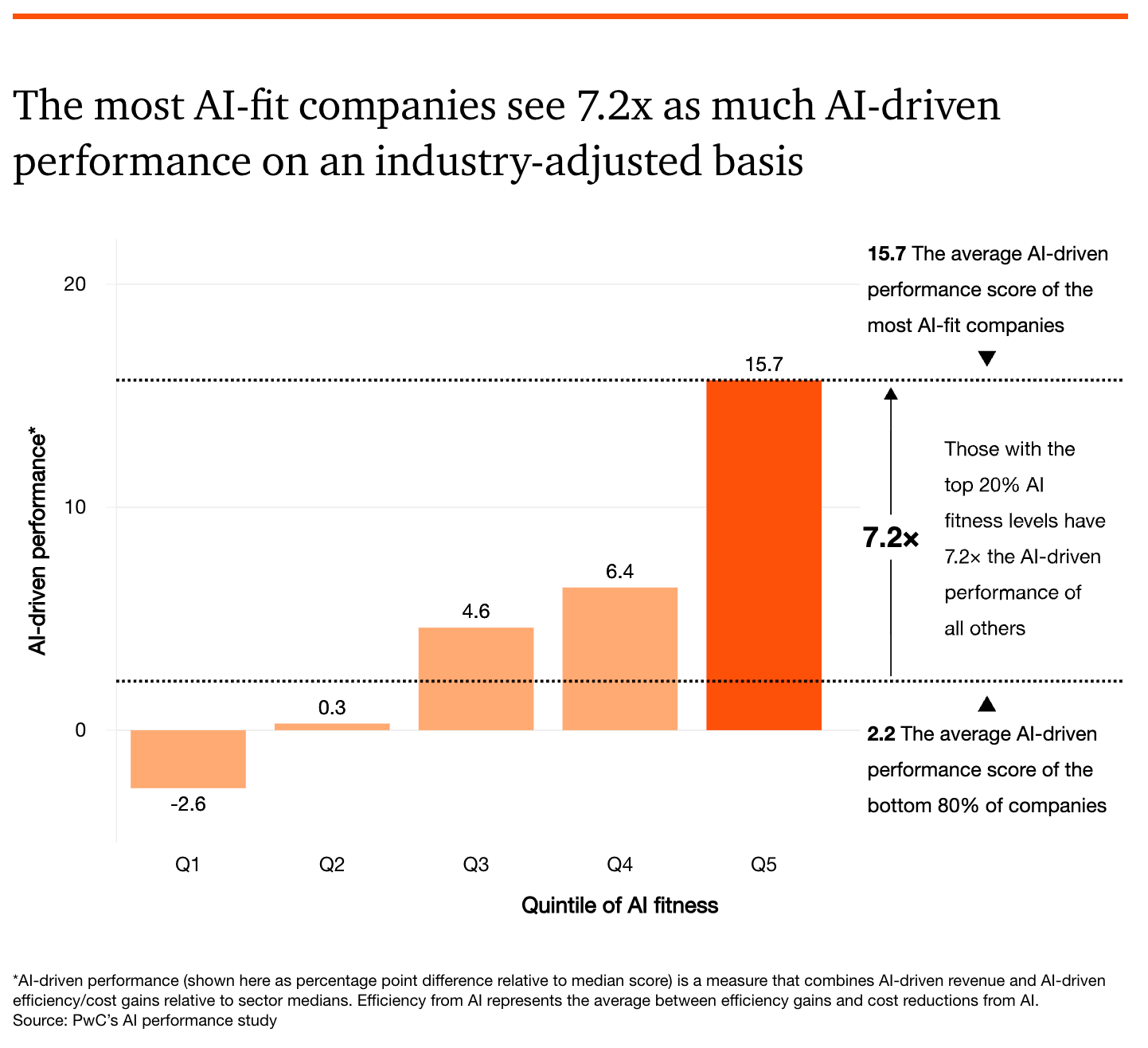
What April’s AI reports said when read together.
There is a question I hear more than any other from executives running AI initiatives inside large companies: “We are investing.
How to think about building, buying, or partnering on AI - before someone else decides for you
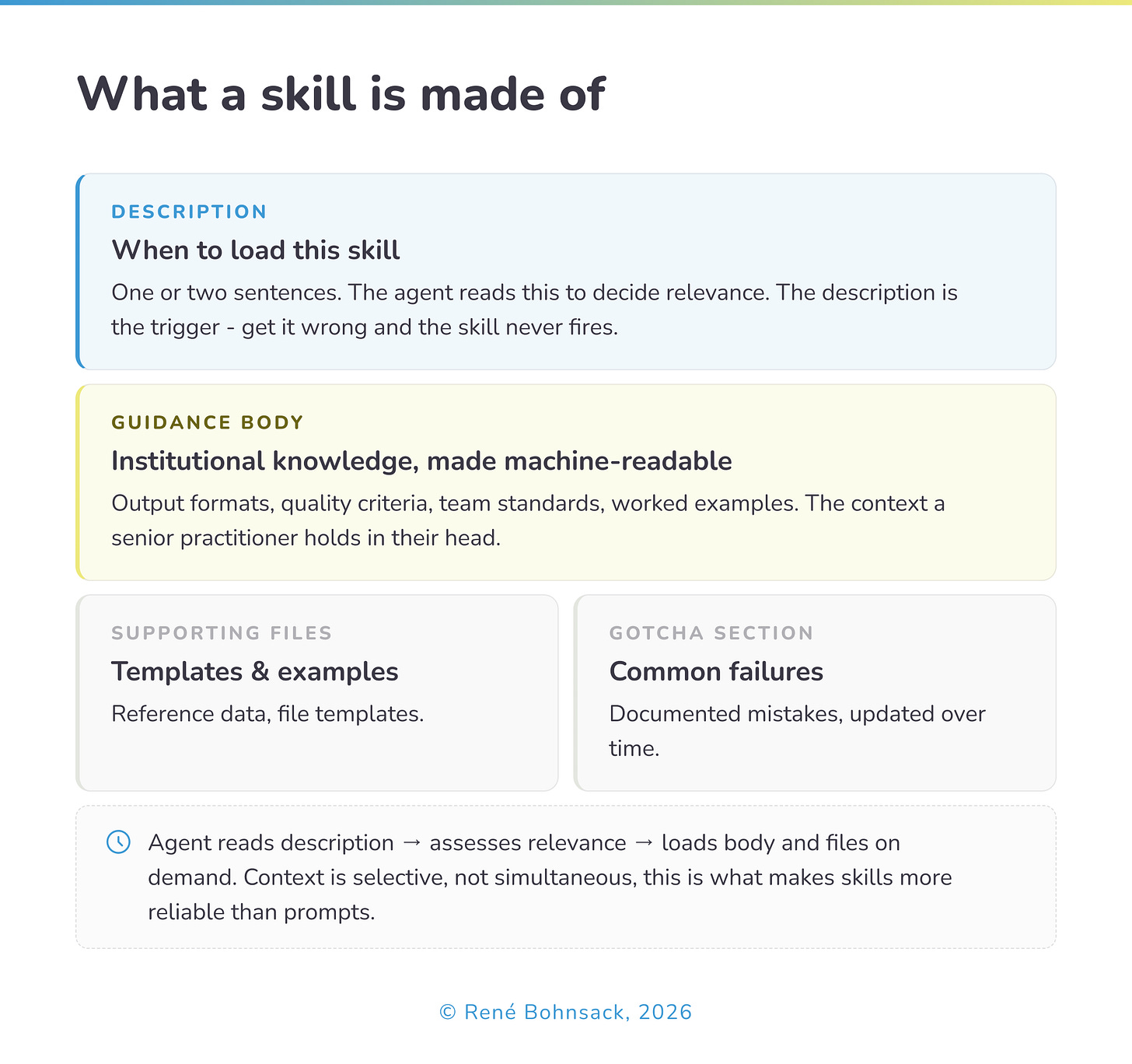
Most people working seriously with AI have a folder somewhere.
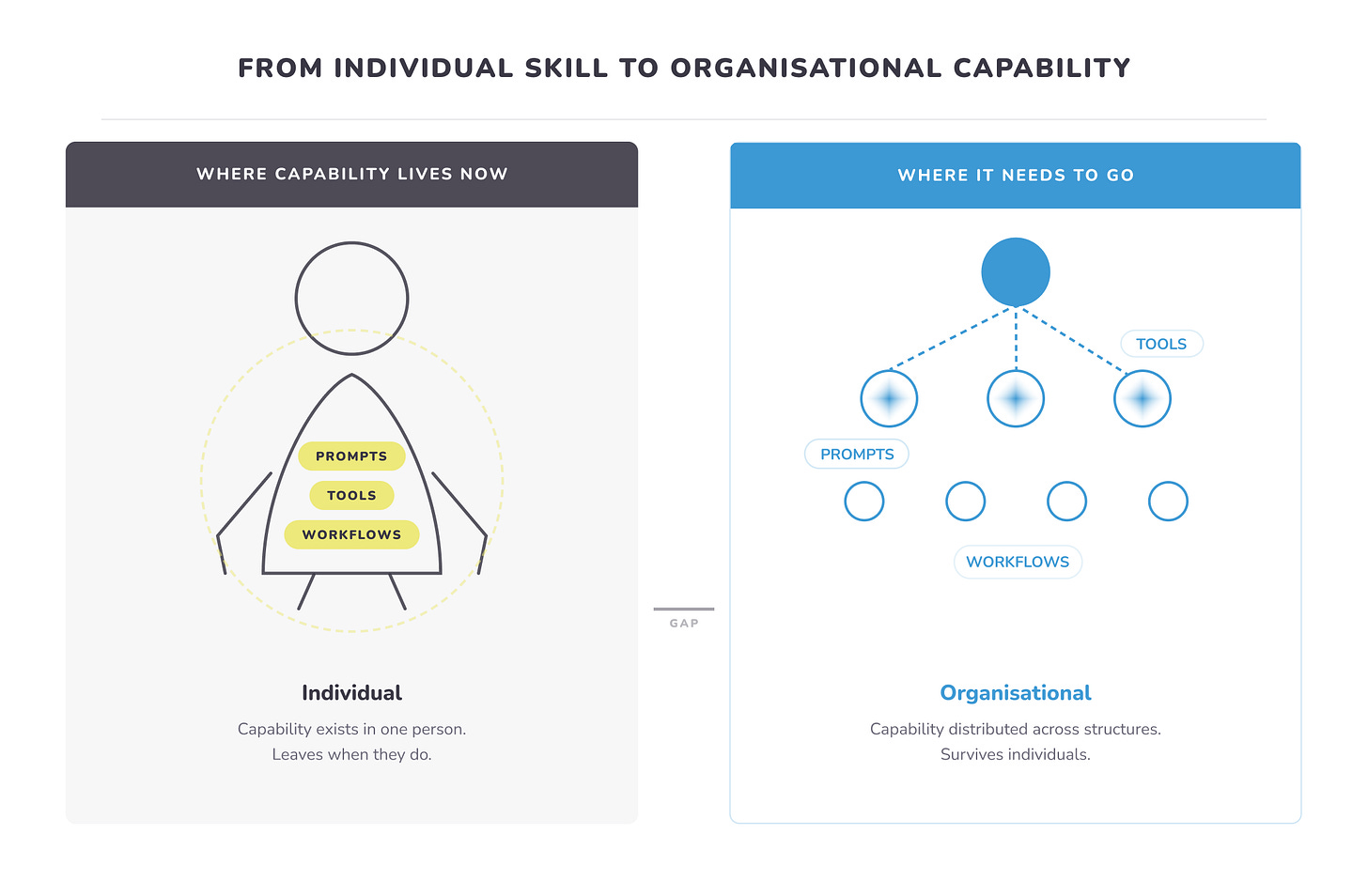
Part 2 of 2 in the Transformation Stack series
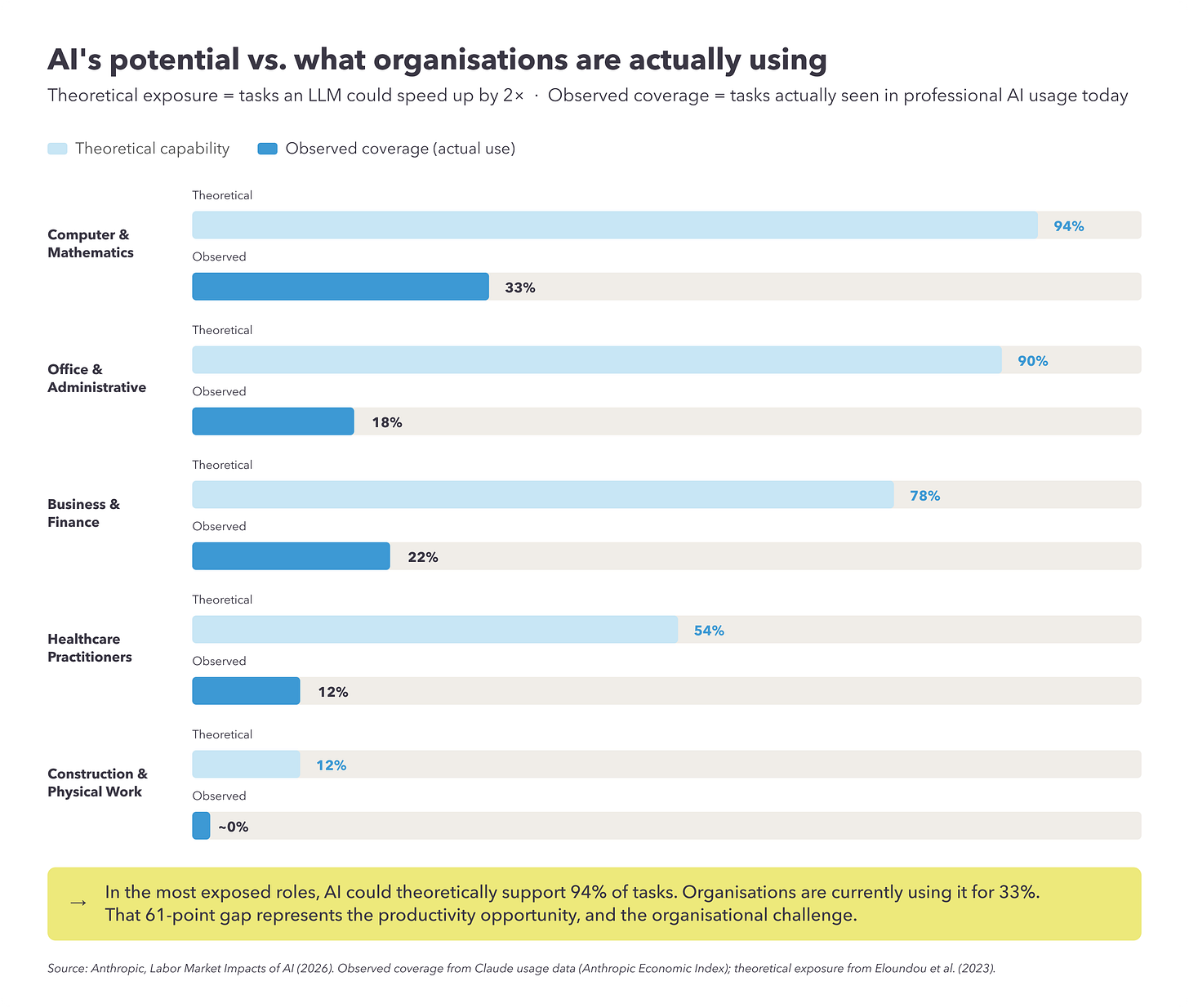
What Anthropic’s report on AI and jobs tells us, and what it may be steering us toward instead
Part 1 of 2 in the Transformation Stack series
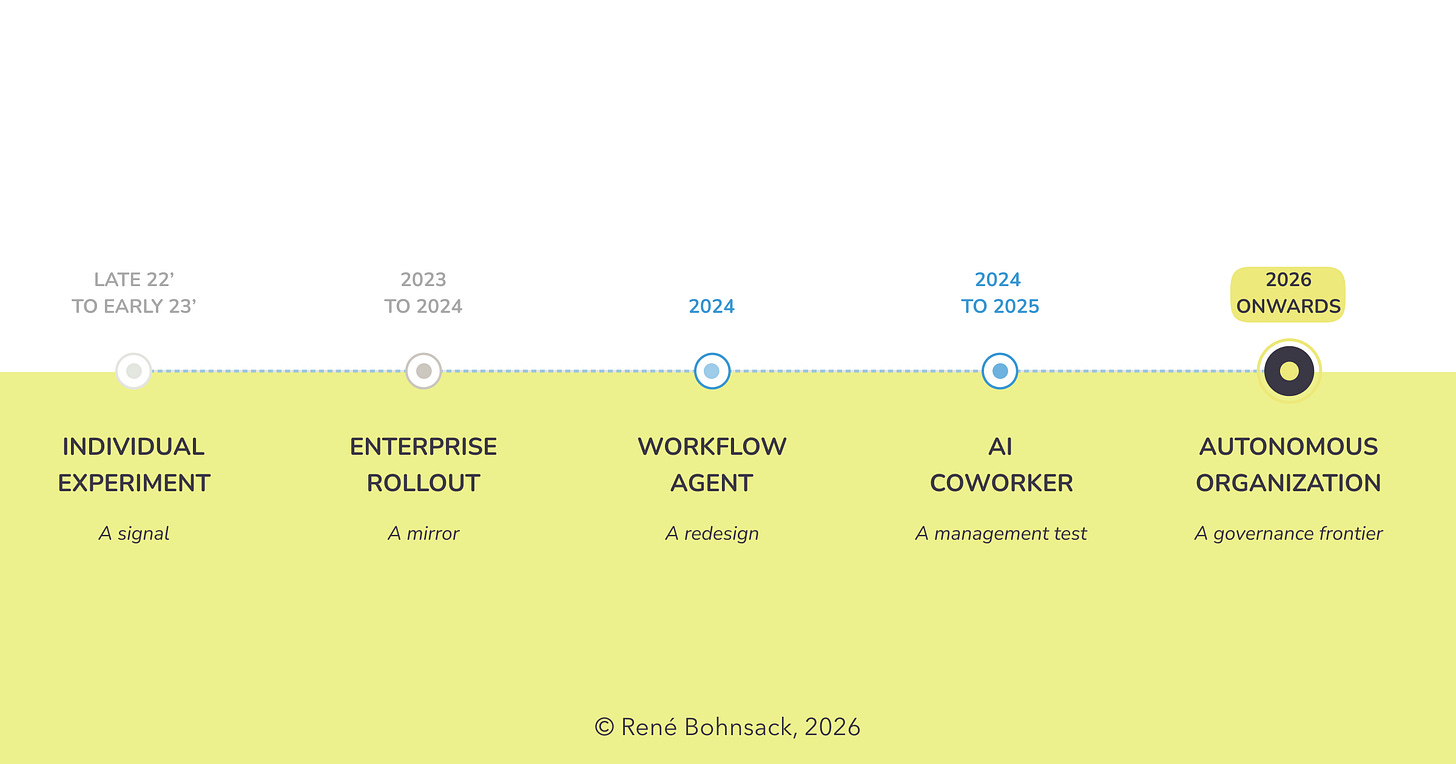
Each phase changed what organisations needed to do, not just what the technology could do. Most leadership teams are one phase behind.
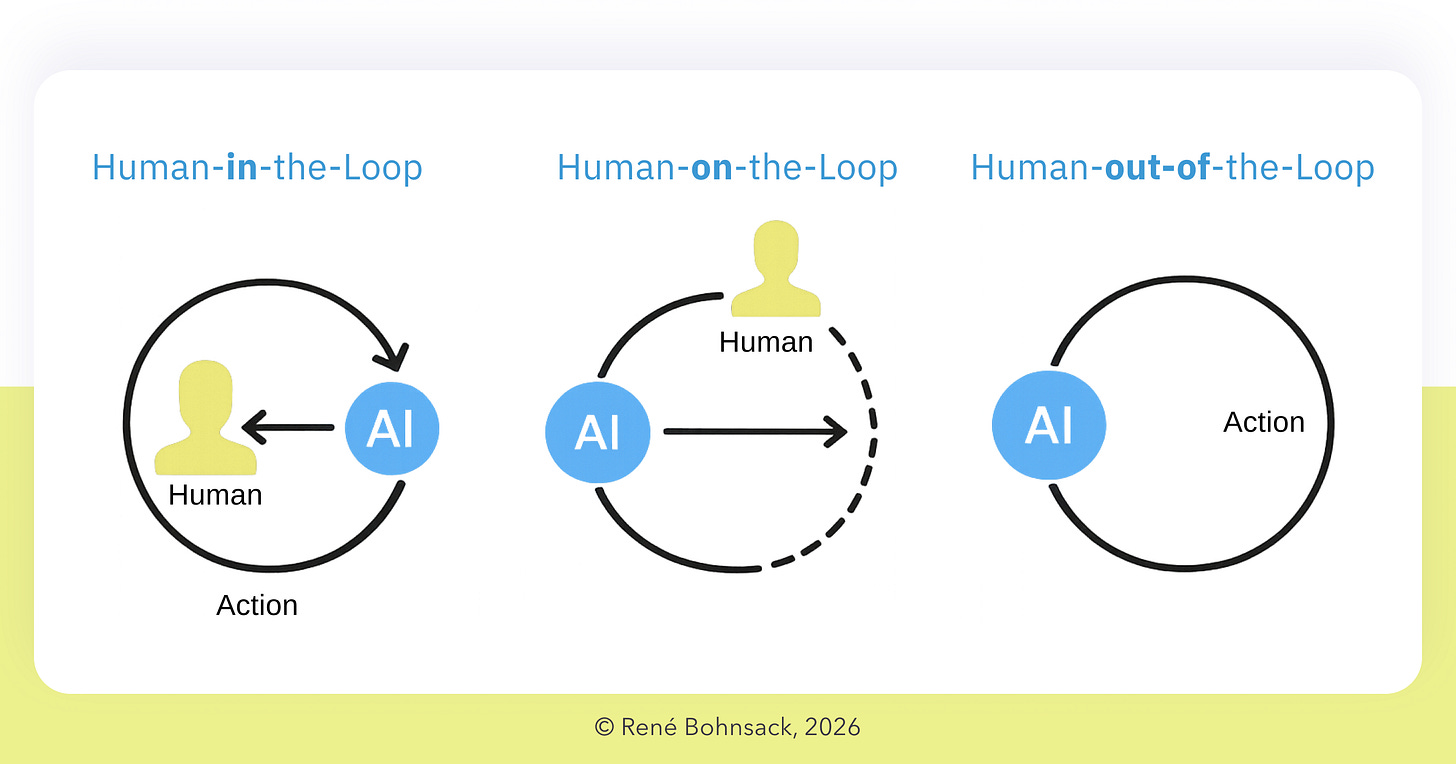
This month three things caught my attention: the “cyborg workplace” argument, the contrasting Twitter essay warning that nothing done on a screen...
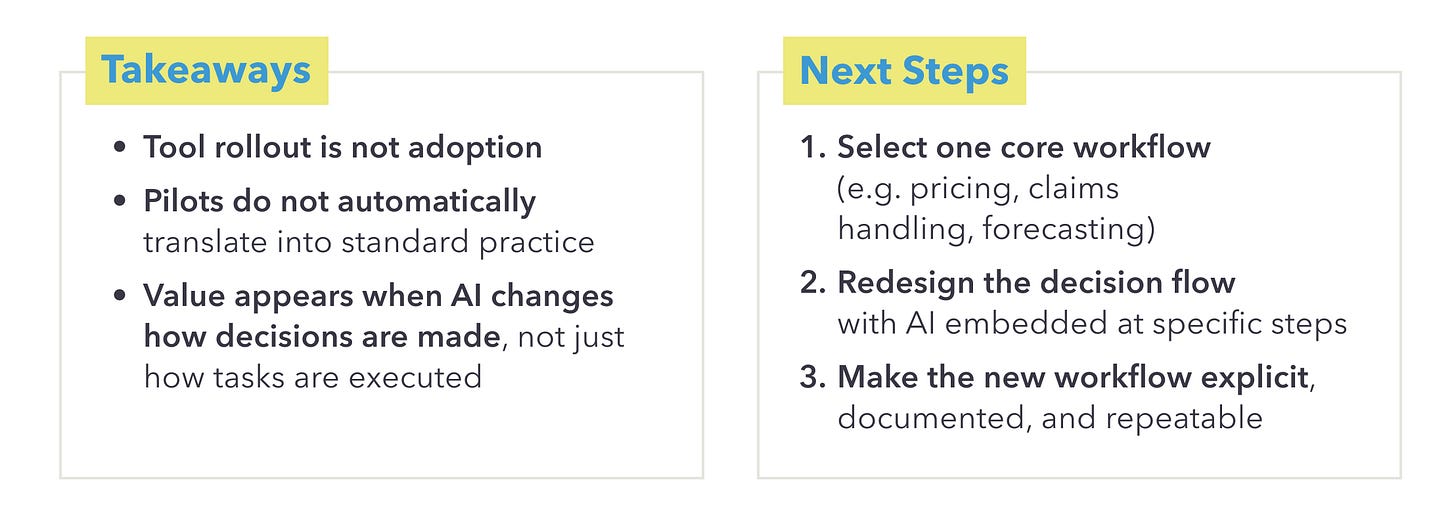
What Deloitte’s 2026 Enterprise AI Report Tells Leaders
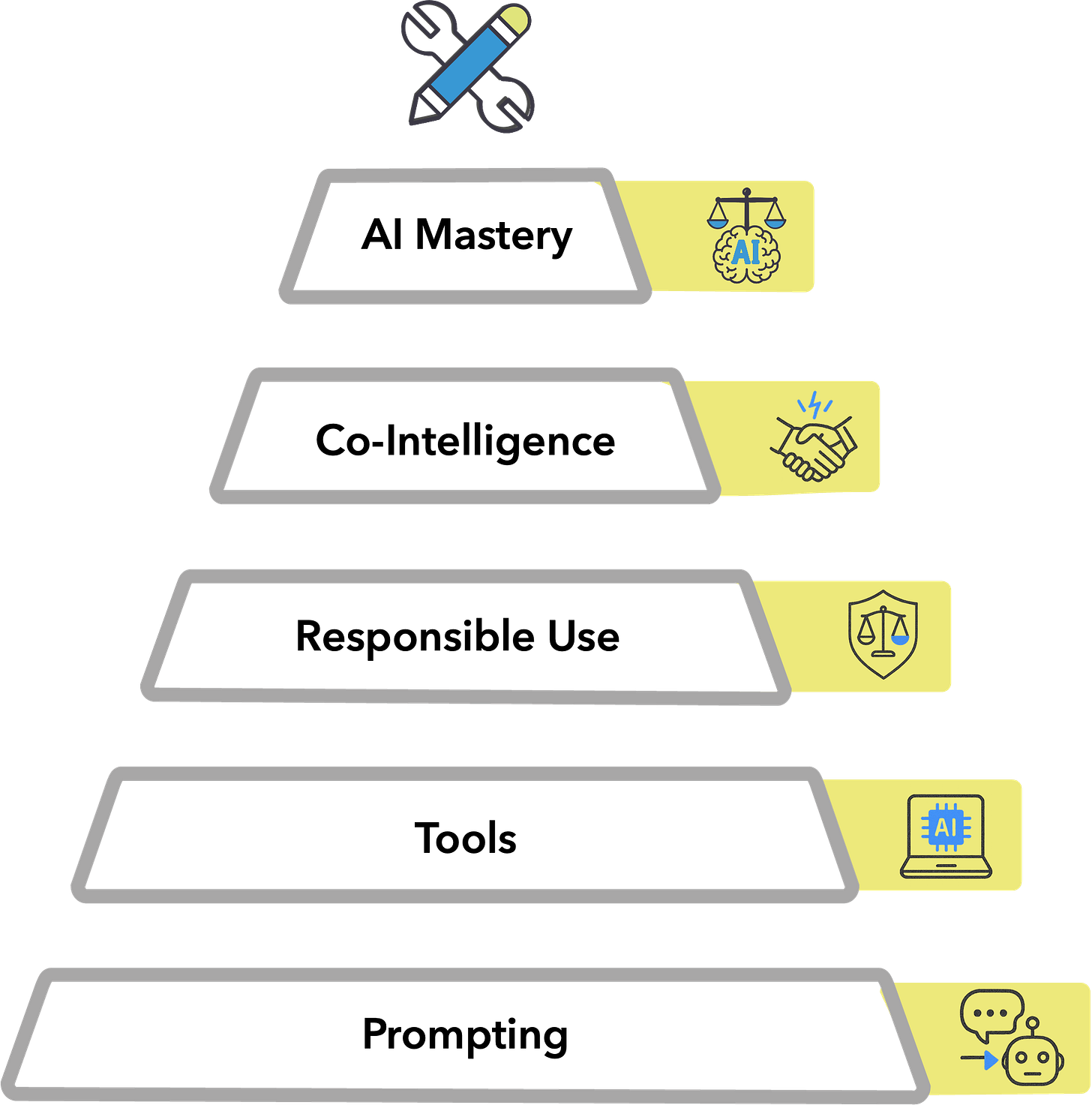
In many organisations, the conversation around AI capability begins with skills.

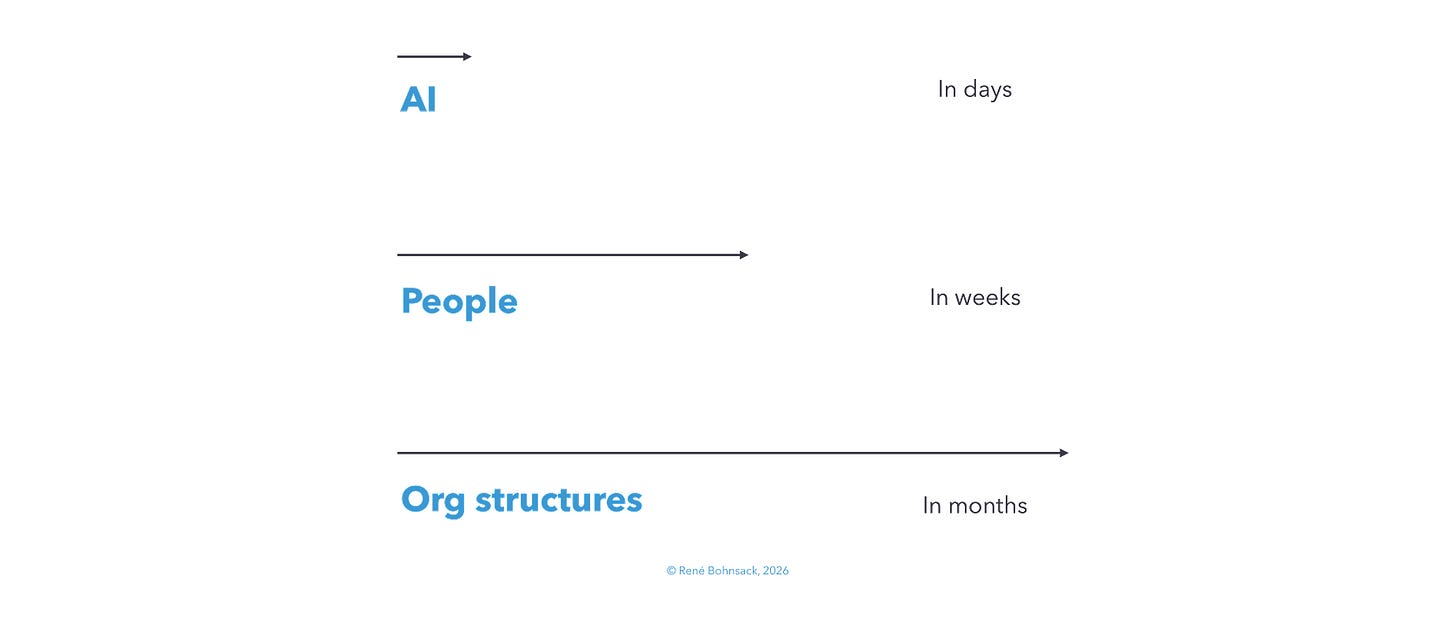
AI capabilities are advancing faster than most organisations can absorb.
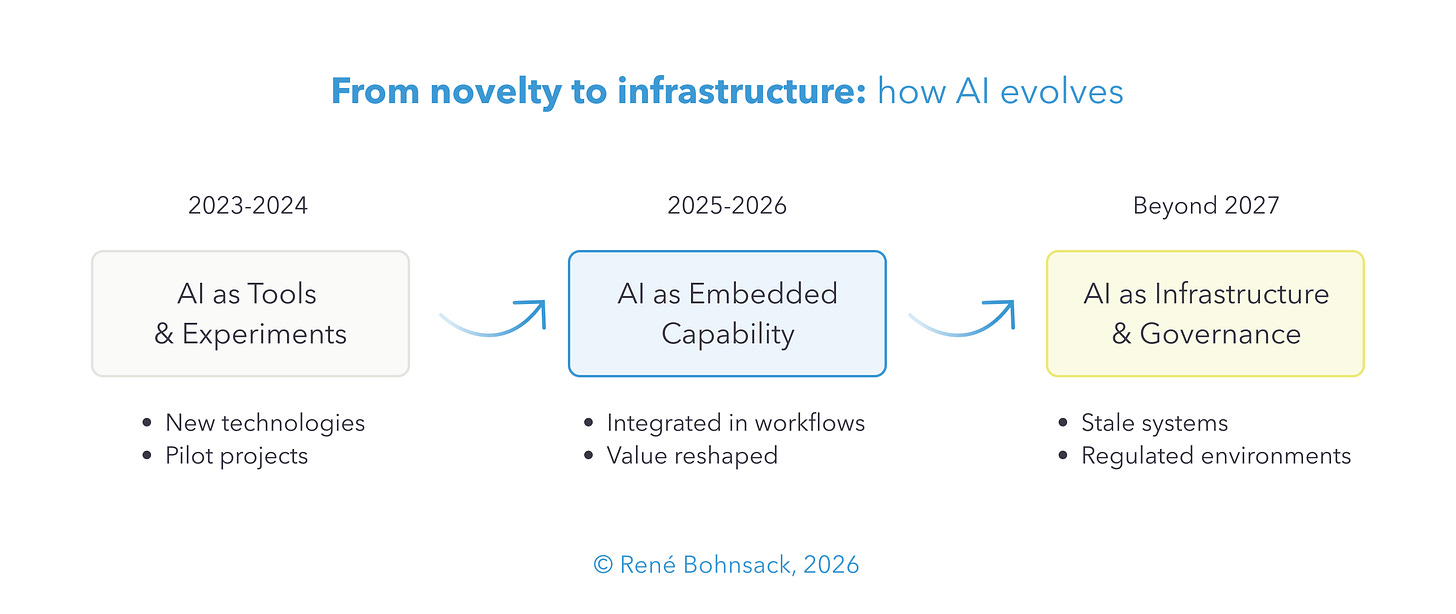
A forward-looking reflection on what we’ll likely notice when the noise fades